


December is when school, activities, and family plans all try to squeeze into the same overstuffed backpack. For a high school junior preparing to apply during the 2027–28 college admissions cycle, it is also a useful time to get organized before senior year gets busy.
You can hit submit later. The part where your application actually sounds like you starts with getting to know your own interests, experiences, and priorities.
This is not a call to turn winter break into a twelve-hour admissions boot camp. Use December to sketch out a plan you can stick to: start a rough college list, jot down some essay ideas, map out a testing calendar, and keep your schoolwork moving.
If you are just getting started, you have not missed a universal December deadline. The useful question is what to do next.
December is a planning point, not an application deadline for juniors
December is not a secret deadline for juniors. It is a chance to turn “I’ll figure it out later” into a few manageable decisions.
Start with questions:
What academic subjects or areas of study are you curious about?
What kind of campus, location, and community might fit you?
What do you need from a school to feel supported and engaged?
Which parts of your academic and extracurricular life do you want to keep building?
You do not need a final college list in December. Build a working list. Write down what appeals to you, what you want to learn more about, and what you still do not know. As you research, check each college’s admissions information for its application requirements and testing policy. These details differ, and policies change.
Sketch the map before you start the road trip. You can change the route as you learn more.
Build a working college list, not a prediction of your future
A useful list is more than a pile of famous names. It should reflect the student who will actually live and learn there.
Think about what you want your days to look like. Explore academics, campus setting, student communities, and opportunities connected to your interests. For each school, jot down why it made the list and what you still need to find out.
Make room for practical questions, too. Consider affordability from the beginning, and use each college’s official resources to understand its costs and financial aid process. A college list should be ambitious and grounded in what works for your family.
You do not have to solve your whole future over a plate of holiday cookies. The goal is to make the next conversation more useful than “I don’t know, maybe somewhere with a good program?”
Start collecting essay ideas before the pressure builds
You do not need a polished personal statement in December. You can begin exploring your experiences before the next cycle’s school-specific prompts are available.
Start a story bank. Jot down moments, questions, interests, responsibilities, challenges, and experiences that have stayed with you. What changed the way you think? What do you keep doing even when nobody is grading you? When have you surprised yourself?
Do not chase the most dramatic story. A good essay is a chance to show how you think, what you notice, and what matters to you. A small moment can say a lot if you look closely.
Try a short exploratory draft without pressure to make it “the essay.” Get the raw material onto the page. You can return to it, reshape it, or decide it is not the right story.
Good essay coaching helps students make their own ideas clearer while keeping the writing in their own voice. At CurtisE Learning, we do not ghostwrite. The student owns every word.
Learn more about college admissions counseling and essay assistance.
Work backward from the test date
Start with the current testing policies at the colleges you are considering and what the student needs. Then choose a realistic testing window and work backward: diagnostic, targeted practice, review, and time to decide whether another test would be useful.
A test date is a destination. The preparation plan is how you get there.
A diagnostic helps show where to focus. A steady weekly routine builds skills without expecting a student to become a different person the week before the exam. Use official information to verify test dates and registration deadlines, since schedules and policies can change. The College Board’s SAT dates and deadlines page and ACT registration information are useful starting points.
Preparation is about understanding the material, noticing patterns, managing time, and learning how to recover when a question gets difficult. That is the mental gym: practice that strengthens habits students can use beyond one test.
Our focus is on personalized preparation and “learn how to learn” strategies. Instruction is built around the student’s current skills, goals, and approach to learning. Explore test preparation services.
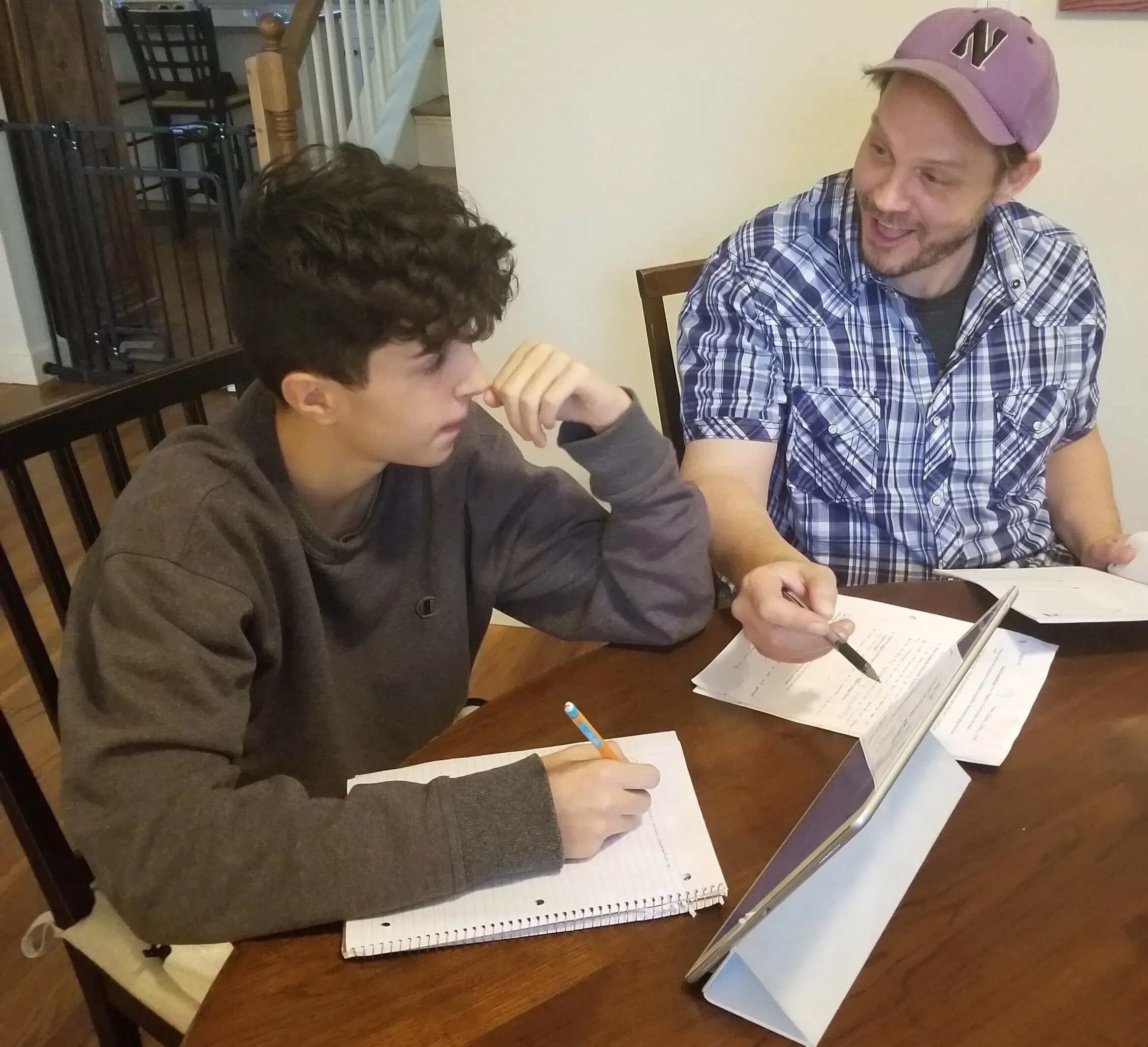
Let private-school testing march to its own calendar.
SSAT, ISEE, and HSPT stand guard at the gates of private and Catholic schools, not colleges. If you are a high school junior, you can safely ignore them unless you are feeling nostalgic for middle school admissions. In that case, I wish you luck and a sturdy sense of humor.
If your household is juggling an independent school application this winter, start by decoding which bowl of alphabet soup you need to swallow. Then, check the school’s calendar. Give yourself enough runway to get used to the question types, practice timing, and, naturally, make peace with your mistakes. They will happen. They always do.
Preparation is not a one-size-fits-all affair. Some students need a few weeks, others need a semester, and a few will insist they need nothing at all. Skip the guesswork and go straight to the source: the school and the testing organization. Calendars, like snowflakes and excuses, are rarely identical.
Keep the academic wheels turning, even if they squeak.
Junior year does not pause for anyone. Assignments, quizzes, projects, and that stubborn Spanish or Chinese vocabulary keep marching on. They refuse to learn themselves, no matter how nicely you ask. I have tried. The vocabulary remains unmoved.
A steady dose of academic support can turn confusion into clarity, shore up study habits, and keep those tiny gaps from turning into academic sinkholes. Tutoring is not just about patching holes; it can help students dig deeper and tackle work that actually makes them think.
Language is not a cram-the-night-before sport. Regular practice builds vocabulary, grammar, reading, and speaking skills over time. A short, steady routine beats a last-minute sprint every time. The tortoise wins. The hare sulks.
We build everything around the four Es: Enthusiasm, Energy, Empathy, and Enjoyment. Learning is work, yes. It should still feel like something designed for actual humans, not robots or sleep-deprived squirrels.

December for juniors: what now, exactly?
Let’s not try to conquer the entire college process before the ball drops. Instead, finish December with a handful of solid starting points.
Draft a college list that actually makes sense to you. Jot down what draws you to each school, even if it’s just the dining hall or the mascot.
Figure out what you still need to dig into. Requirements, testing policies, affordability—yes, the fun stuff.
Start a story bank. Try writing a short, messy essay draft. No one’s grading it.
Take a look at SAT or ACT options and sketch out a plan for testing and prep. No need for a color-coded spreadsheet unless that brings you joy.
If you have a sibling applying to an independent or Catholic school, double-check which exam and deadlines apply. The admissions gods love a good mix-up.
Keep your academic momentum going with a plan you might actually follow. No need to pretend you’ll read War and Peace over winter break.
You do not need to solve every admissions riddle before January. You just need a place to start and a next step that feels doable.
Whether you’ve been plotting this since freshman year or just realized college is a thing, pick the work that matters most right now. Keep it steady. Ask for help when you need it. The goal is to reach senior year with more clarity, stronger skills, and enough breathing room to make decisions you won’t regret in June.
Inquire about enrollment, or email info@curtiselearning.com, to talk about a plan for your student.
About Curtis Eames
Curtis Eames, M.Ed., founded CurtisE Learning to help Greater Boston families and students nationwide with online test prep, academic tutoring, and college admissions guidance. He believes in practical planning, individualized instruction, and building a real working relationship with every student.
